The Architecture of Fluency: Synchronizing Complex Enterprise Operations
Fragmented systems, rigid legacy databases, and lagging reports force technology leaders into endless cycles of high-stakes firefighting. This directory serves as an operational playbook for CIOs, CTOs, and COOs to decouple system latencies without executing high-risk, multi-million dollar core database overhauls. Explore the analytical briefings below to see how a non-invasive, event-driven orchestration layer automates operational visibility and margin defense at machine speed.

Before You Spend $10M on an ERP Upgrade, Read This: Why AI Will Deliver 10x More Value
With over 55% of ERP overhauls failing, full system upgrades are an open-ended capital liability. This brief examines why layering non-invasive AI arrays over existing databases yields immediate operational intelligence in under 120 days.
The Data Garbage Trap: Overcoming Structural Ingestion Latency inside Industrial Analytics Layers
Legacy "clean first" mandates slow transformation down and run up consulting costs. This brief outlines an alternative, AI-first approach: ingesting raw operational data fields as-is to construct self-correcting digital twins programmatically.
The Headcount Paradox: Multiplied Supply Chain Yield Under Frozen Enterprise Budgets
As boards demand revenue growth under frozen corporate budgets, traditional scaling models collapse. This brief details how deploying agentic execution layers multiplies workforce output without expanding headcount parameters.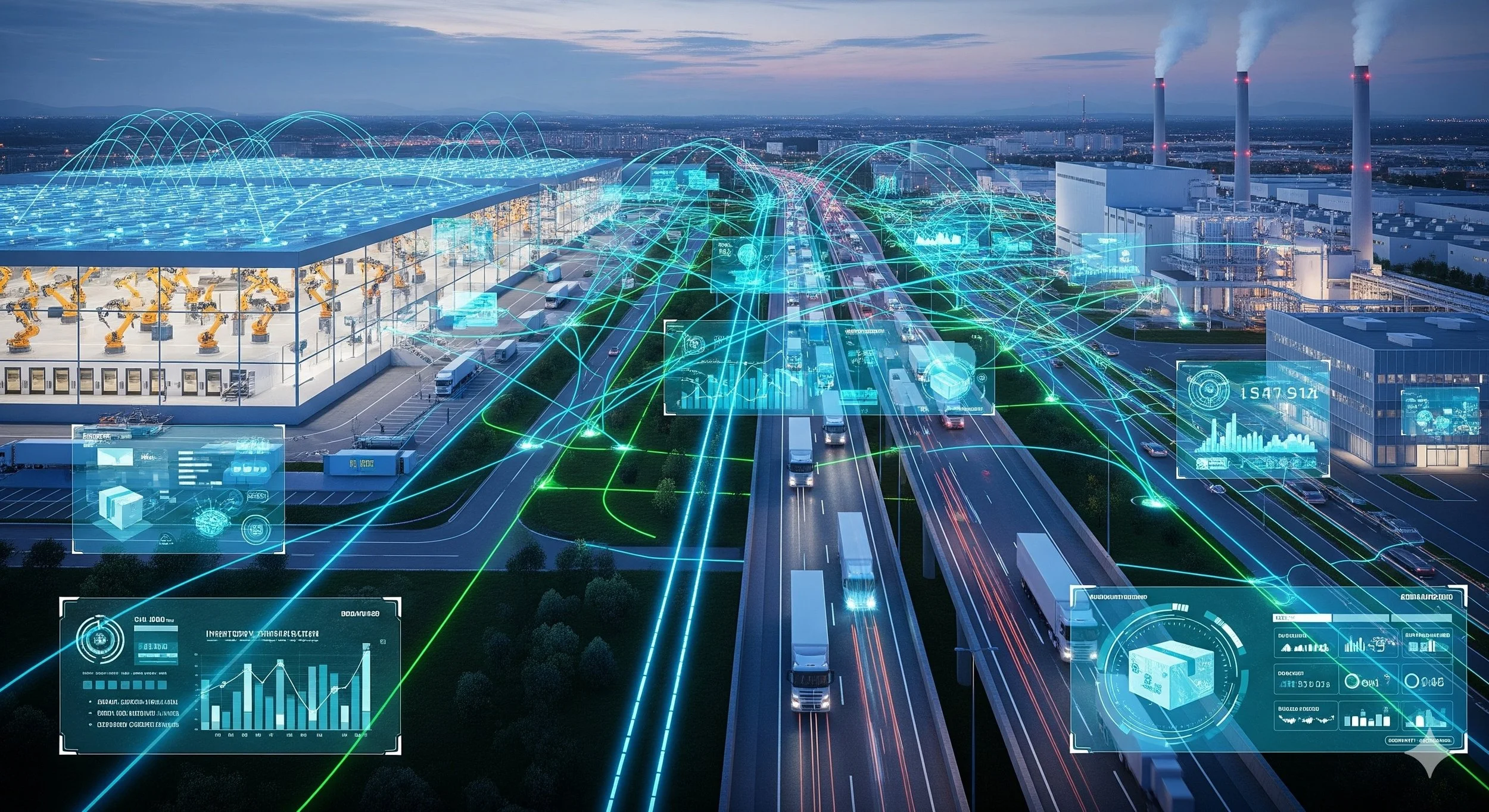
Navigating Uncertainty: How an Intelligent Supply Chain Execution System Builds Resilience in Manufacturing
With 83% of manufacturers facing disruptions, rigid legacy execution is an operational liability. This brief examines how an Intelligent SCES acts as a self-correcting blueprint to defend margins against demand shocks.

The Tariff Strategy: Reclaiming Operational Margin in an Unpredictable Global Market
With 77% of executives reporting that rising trade compliance complexity degrades business performance, static logistics planning has broken down. This brief details how integrated SCES arrays insulate profit margins from international trade shocks.
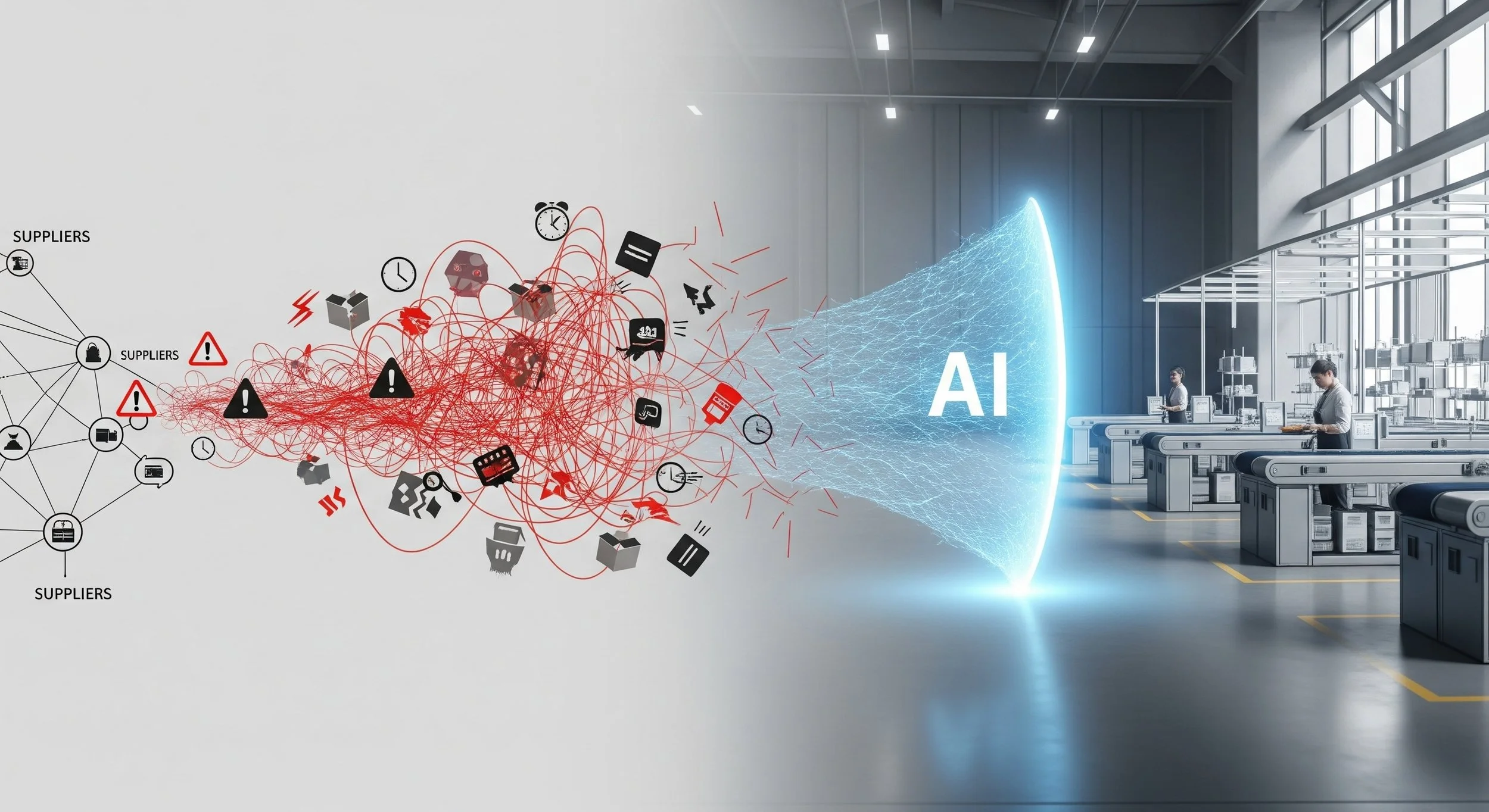
The Supplier Latency Trap: Mitigating Upstream Disruptions via Real-Time Partner Orchestration Layers
With 44% of supply chain shocks originating within the supplier network, reliance on manual vendor-chasing is a critical structural vulnerability. This brief outlines how agentic orchestration layers automate partner workflows and eradicate blind spots.

Break the Silos or Fall Behind: Why Custom Architecture Upgrades Restrict Operational Growth
With 60% of supply chain leaders identifying legacy data silos as their primary blocker to transformation, system fragmentation is an existential liability. This brief examines how an event-driven orchestration layer unifies infrastructure to recapture lost revenue.

The Cognitive Divide: Replacing Sourcing Intuition With Algorithmic Supply Chain Execution
With 75% of operations executives favoring automated predictive analytics over legacy intuition, subjective decision-making is a core vulnerability. This paper outlines the architecture of algorithmic resilience layers.

The B2B Friction Void: Scaling Digital Commerce Revenue Without Legacy Application Re-Architecting
With global B2B digital transaction volumes scaling toward $36.2 Trillion, relying on disconnected manual quoting frameworks is an acute structural bottleneck. This brief outlines how an event-driven orchestration layer unifies front-end commerce with core ERP data.
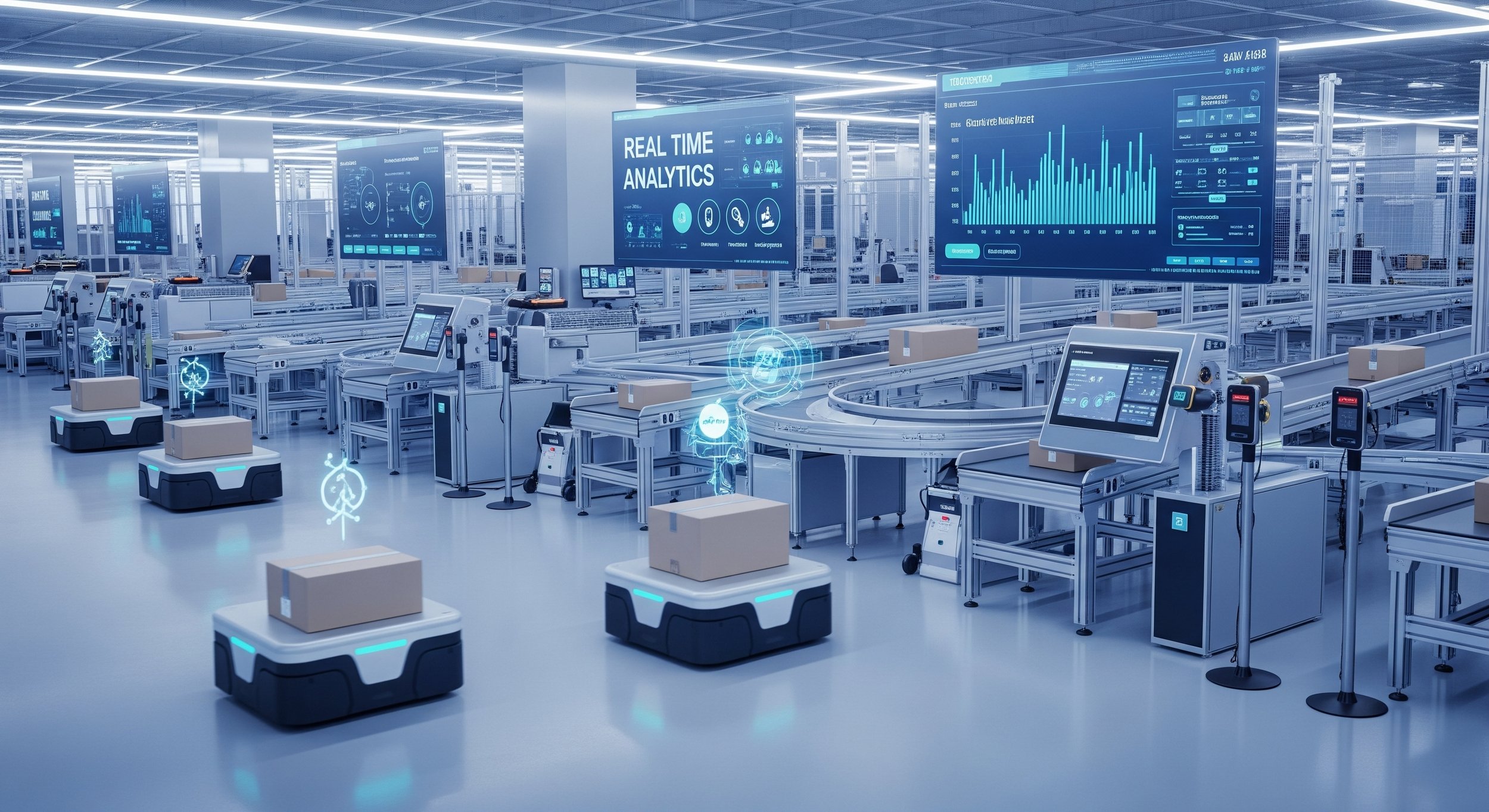
The Fulfillment Leak: Eliminating Intralogistics Friction Through Real-Time Warehouse Orchestration Layers
With 70% of distribution facilities constrained by manual workflows, system fragmentation introduces critical execution risks. This briefing addresses how an intelligent orchestration layer drives immediate throughput expansion without legacy infrastructure replacement.

The Working Capital Leak: Overcoming Inventory Asymmetry Through Real-Time Demand Sensing Layers
With over 60% of enterprise planners constrained by static ERP batch reports, forecasting latencies introduce acute capital allocation risks. This briefing outlines how real-time semantic data integration models eliminate safety stock volatility.

The Tier-Visibility Gap: Mitigating Upstream Tracking Latency via Multi-System Data Orchestration
With visibility down to a severe 30% baseline across Tier-2 and Tier-3 supplier frameworks, un-synchronized enterprise networks face critical tracking exposure. This brief maps the execution architecture required to decouple structural data silos.